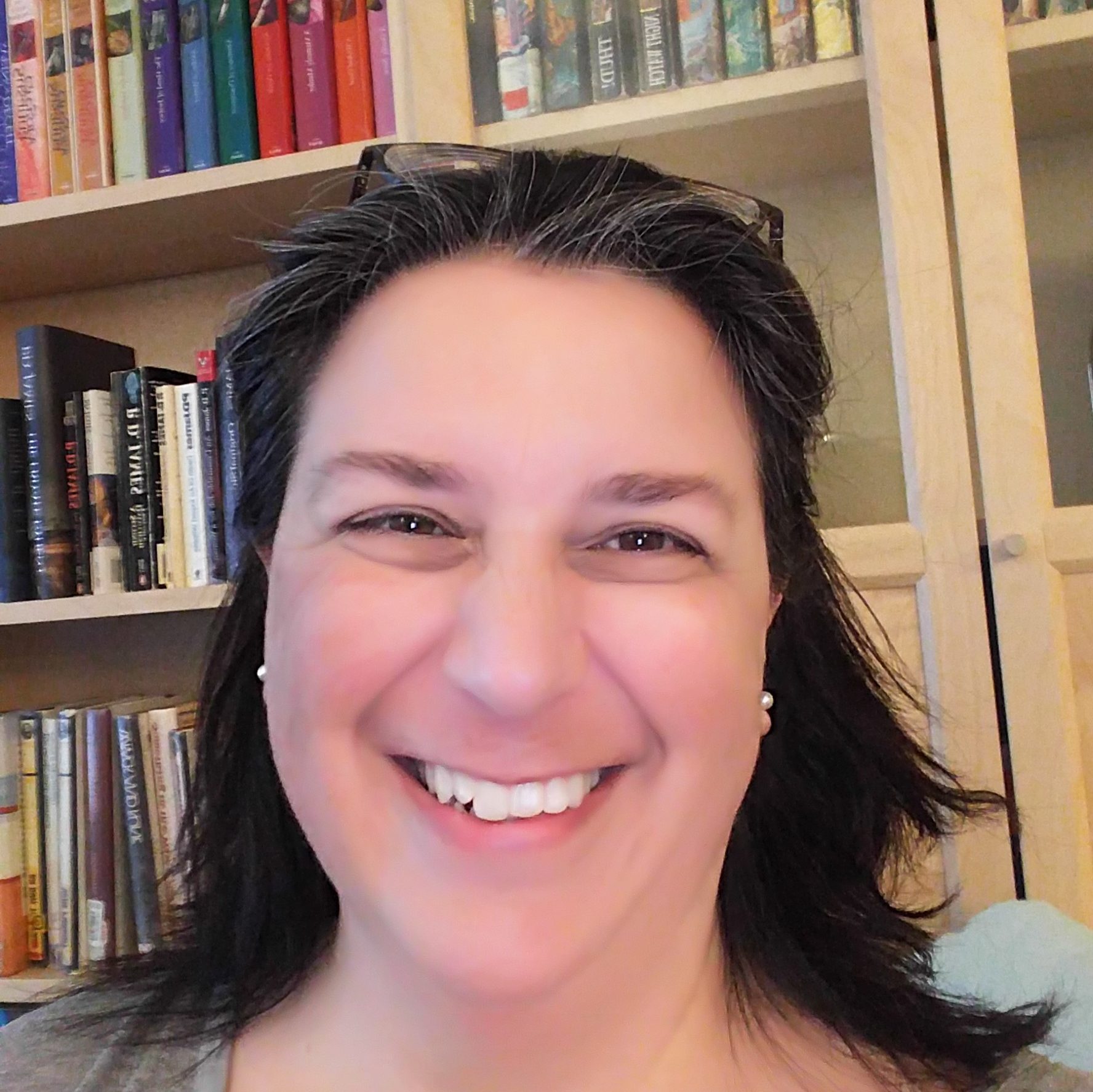
S. R. Ashford writes alien-invasion fiction from the Southern Appalachians, where the mountains taught him what the rest of the world is about to learn: how to read a fire, and what it costs to hold a line. A lifelong reader of invasion fiction and survival stories, he spent years in IT infrastructure — building systems that keep running when everything around them fails — before deciding to put the same
obsession with systems, failure points, and human ingenuity into novels. He writes about people who know how things work: firefighters, mechanics, homesteaders, the kind of people who fix what breaks and don’t wait to be rescued. Ash and Bloom, Book One of The Tended Earth, is his debut novel.
1. Do you belong to a writing or critique group?
No formal group — I write mostly on my own, with one trusted first reader who sees the book before anyone else. The real critique, honestly, came from the book itself: if a fire sequence didn’t behave
like a real fire, or a character made a choice a real person wouldn’t, it got rewritten until it did.
2. Where do you get the ideas for your books?
From collisions. Ash and Bloom came from two ideas hitting each other:
– an invasion where the aliens aren’t hostile — they’re gardeners doing their job, and their indifference is more terrifying than malice — and
– a hero whose superpower is something as grounded as wildland firefighting.
The Blue Ridge did the rest. The hollow Mara lives in is built from real mountain geography: the way a valley holds smoke, the way a ridge line decides where a fire goes.
3. How much do you read, and what do you read?
A lot, and mostly invasion fiction and survival stories — I’ve read them the way some people follow sports. I also read a lot about how things work: fire behavior, homesteading, systems that fail and how
people patch them. If a book has a character who knows how to fix something, I’m in.
4. What is your daily routine like?
I write in the gaps — early mornings and evenings, mostly, a scene or a chapter at a time, and then I go back over it the next day with fresh eyes. The day job keeps complicated systems running; the writing
is where I get to ask what happens when the systems stop. On a good day the two halves feed each other. On a bad day, the dog gets an extra walk and I start again tomorrow.
5. How much of yourself is in your characters?
More than I’d like to admit, and none of it literally. Mara’s lists are mine — I think in inventories and checklists, and I wanted a hero who copes by cataloging the world when it stops making sense. The
self-reliance is borrowed from the mountain people I grew up around: people who fix what breaks and don’t wait to be rescued. Mara is that person, just with higher stakes than a busted water heater.
6. How did your childhood affect your development as a writer?
I grew up around people who know how to work with fire and with their hands, and around mountains that don’t care about your plans. That gives you two things as a writer: a respect for consequences — fire
does what fire does, whether or not it’s convenient for the plot — and a cast of characters who solve problems instead of waiting for someone to solve them for them.
7. What made you want to become a writer?
I’d been carrying stories around for years and reading the kind of books I wanted to write. At some point the question stopped being “could I write one?” and became “what happens if I don’t?” Ash and
Bloom was the story that wouldn’t leave me alone — the gardeners, the Worldseed, Mara and her dog on forty acres of Blue Ridge — so I wrote it to find out how it ended.
8. What inspires you to write your books?
People who know how things work, under pressure. Firefighters, mechanics, homesteaders — the kind of people who look at a disaster and start making a list. And the landscape itself: the Blue Ridge,
fire season, a valley full of smoke at dawn. If I can put a reader in that hollow with Mara and make them feel the fire front coming, the book is doing its job.
9. If you could go back in time and tell your young writer self anything, what would it be?
Finish it. Don’t wait until you feel ready, and don’t wait for permission. Write the messy version first — the lists, the fire, the dog — and trust that the story knows where it’s going even when you don’t yet. And keep the notebook close: the idea that feels too strange is usually the one worth following.
Links:
Pre-order (ebook, out Nov 17, 2026): https://babooks.site/ash-and-bloom
Book page: https://www.babooks.site/ash-and-bloom/